Bradford Pear trees are an invasive species of tree that were used heavily in our neighborhood design back in the 1970s. Because people don’t know how to properly maintain these trees they’ve become overgrown with branches that break off because they get bored (ok, that’s my interpretation —rot, physics, and water content are most likely the culprit). I don’t like to waste wood if I can avoid it. Even Bradford Pear can be useful.
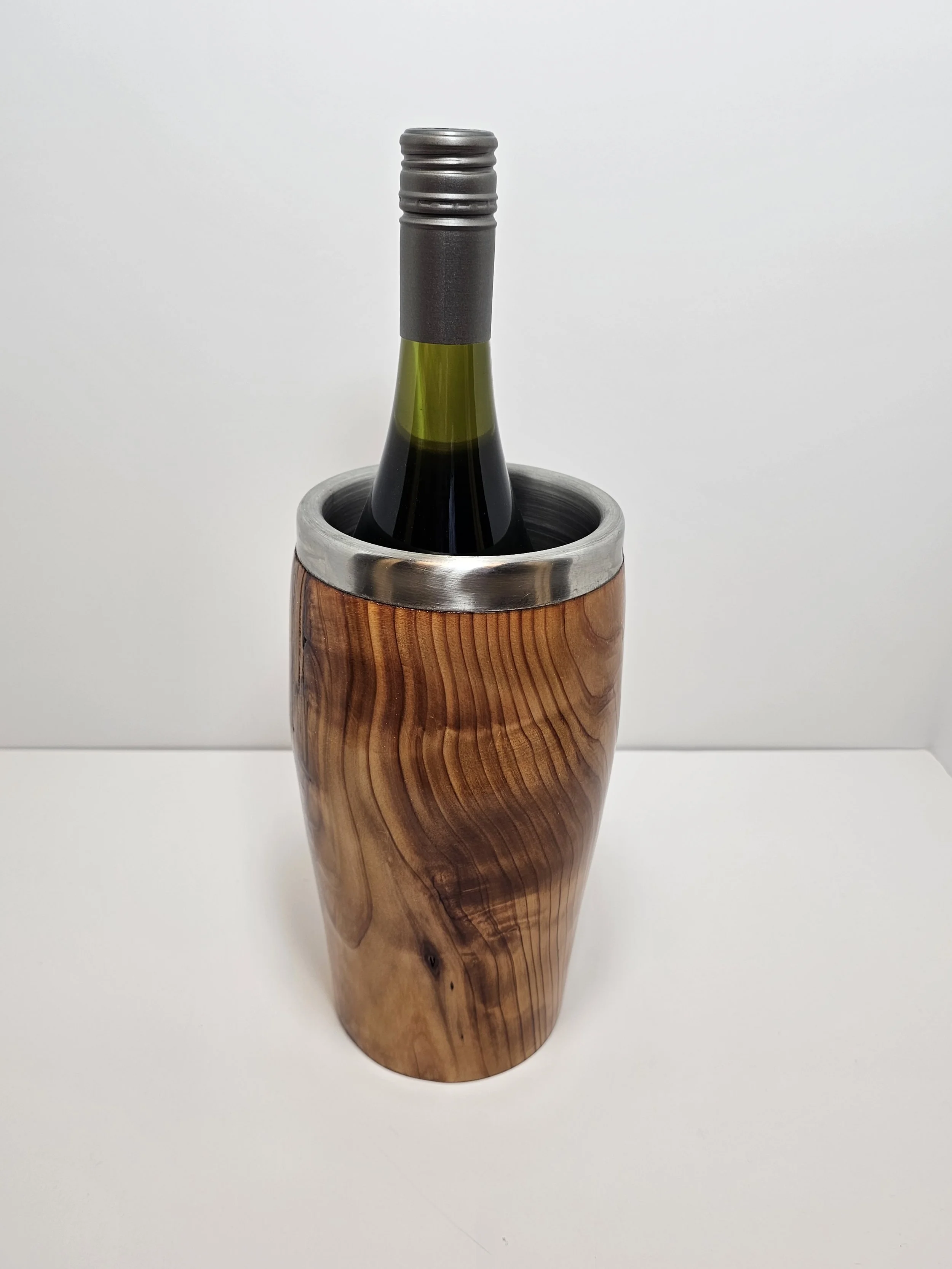
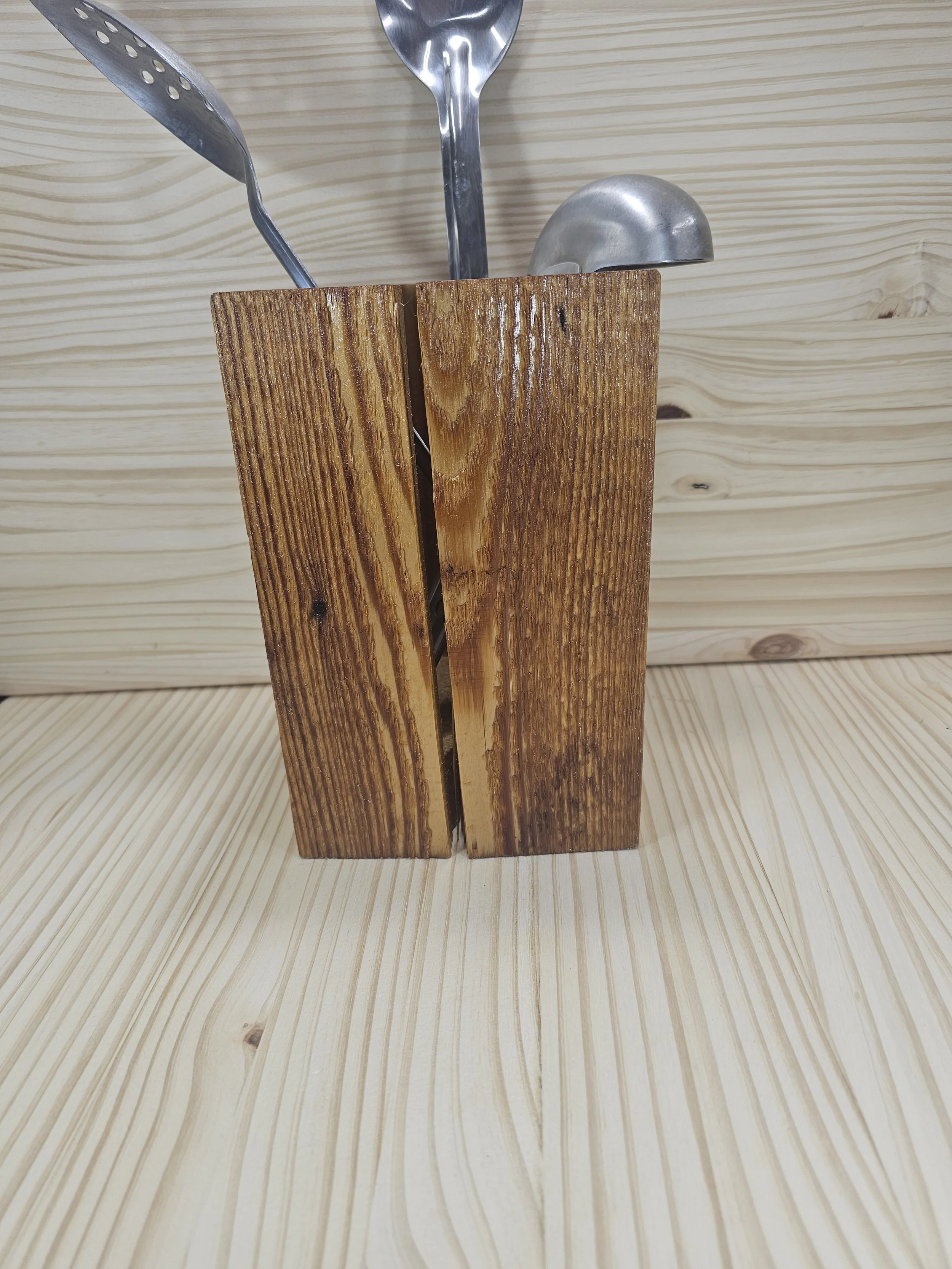
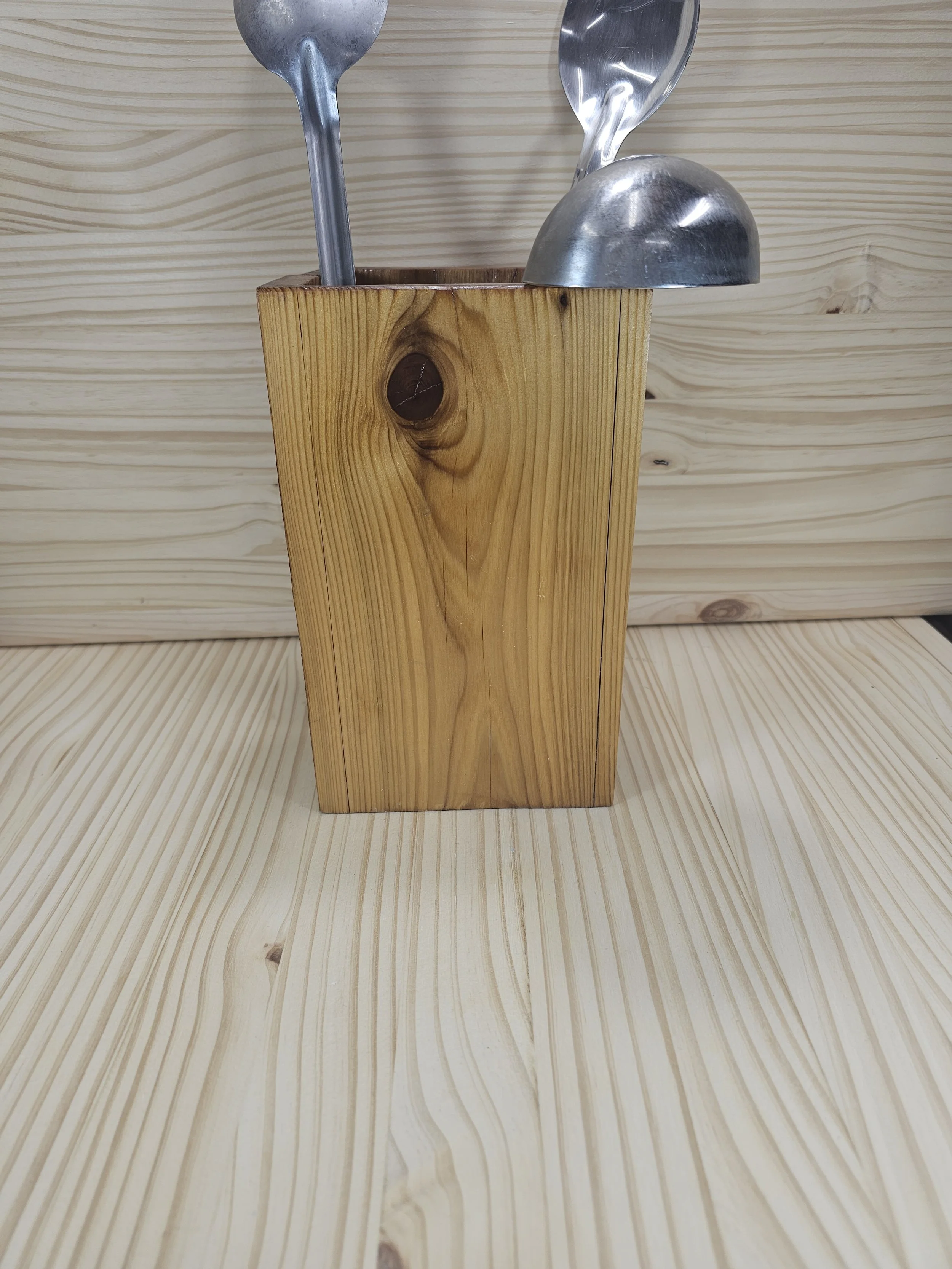
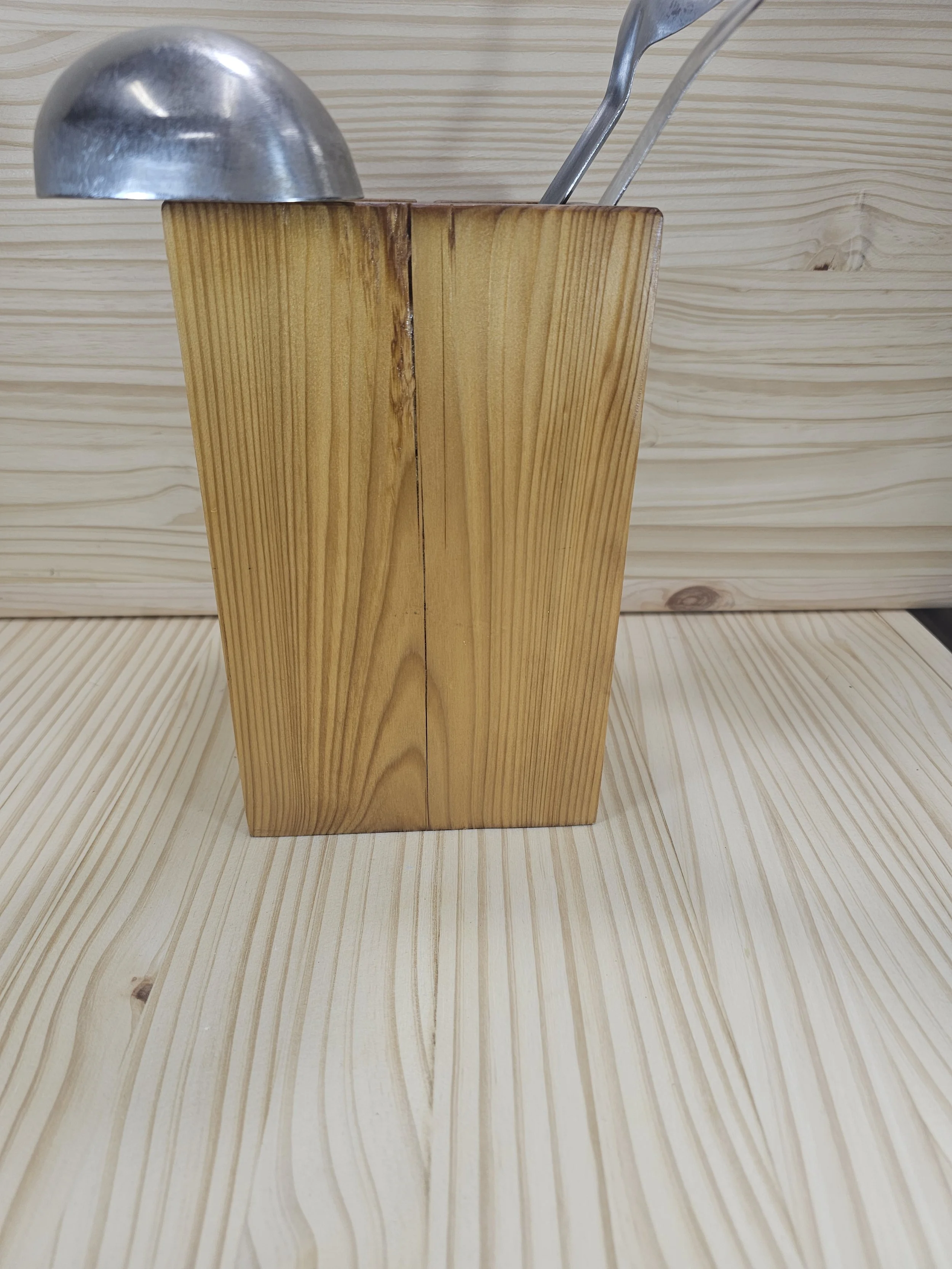
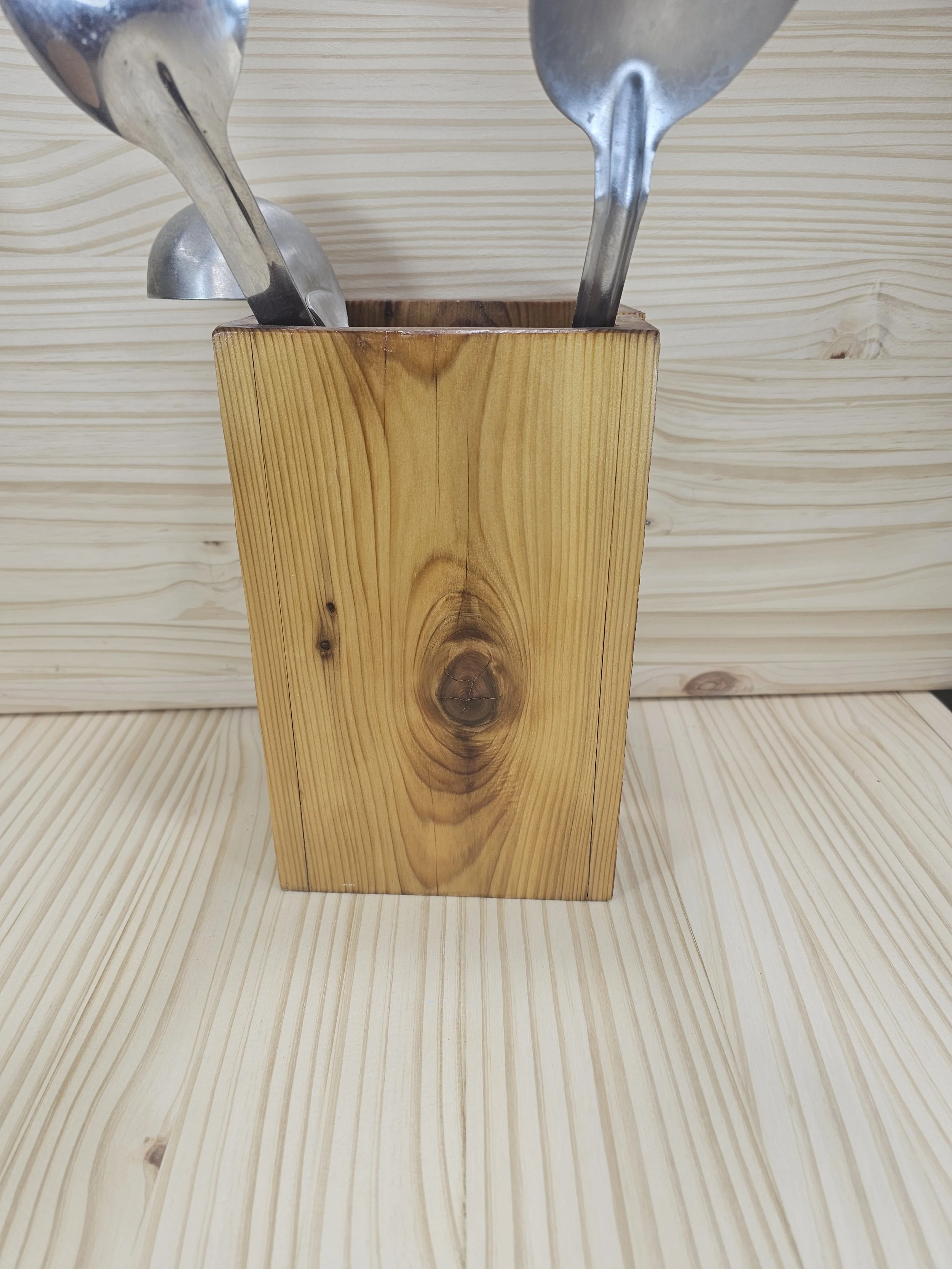
In this case, I ‘ve turned a large kitchen caddy from a hefty segment of one of my neighbor’s tree. One of the reasons I like turning this species of wood is that you really can’t see exactly what’s going on with the grain until the oil goes on. The changes in the late/early wood (growth rings) is usually subtle. So seeing all the complex directions the growth rings are going around the outside is a surprise even to me when the oil layer goes on. I won’t get into the nuanced flame grain patter that happens when a bright light hits it —that usually manifests when shellac gets applied and bends the light into those patterns.
As we have multiple kitchen caddies to hold all our most used cooking tools (yeah, we cook that much), this should help keep your kitchen organized with style and a unique piece that will last for years to come (and didn’t let a pest tree go straight to landfill).
—Note: the tools in the caddy in the pictures are not included. They’re just for display purposes and for scale.
This has been finished with tung oil, shellac, and a durable clear enamel.
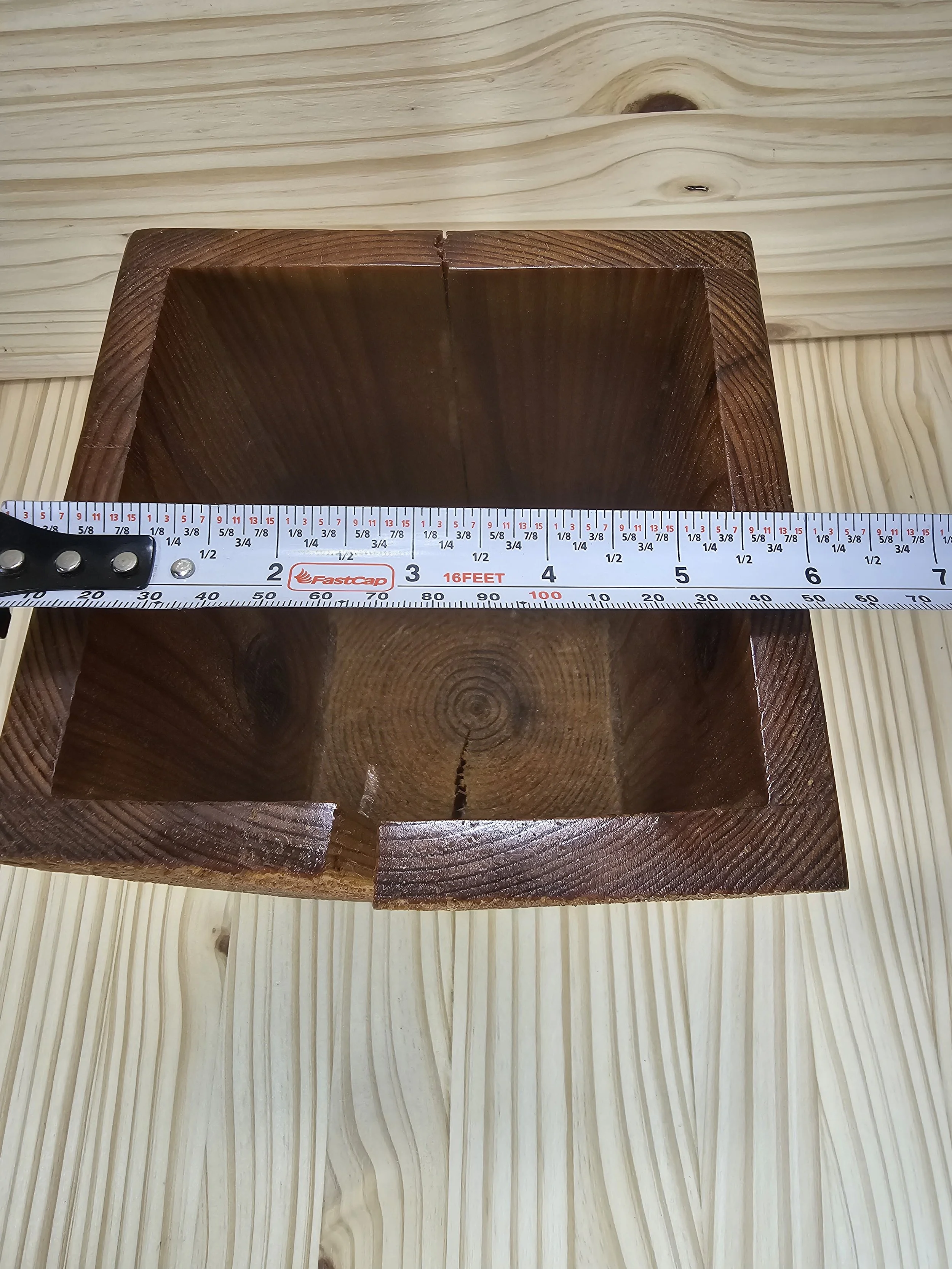
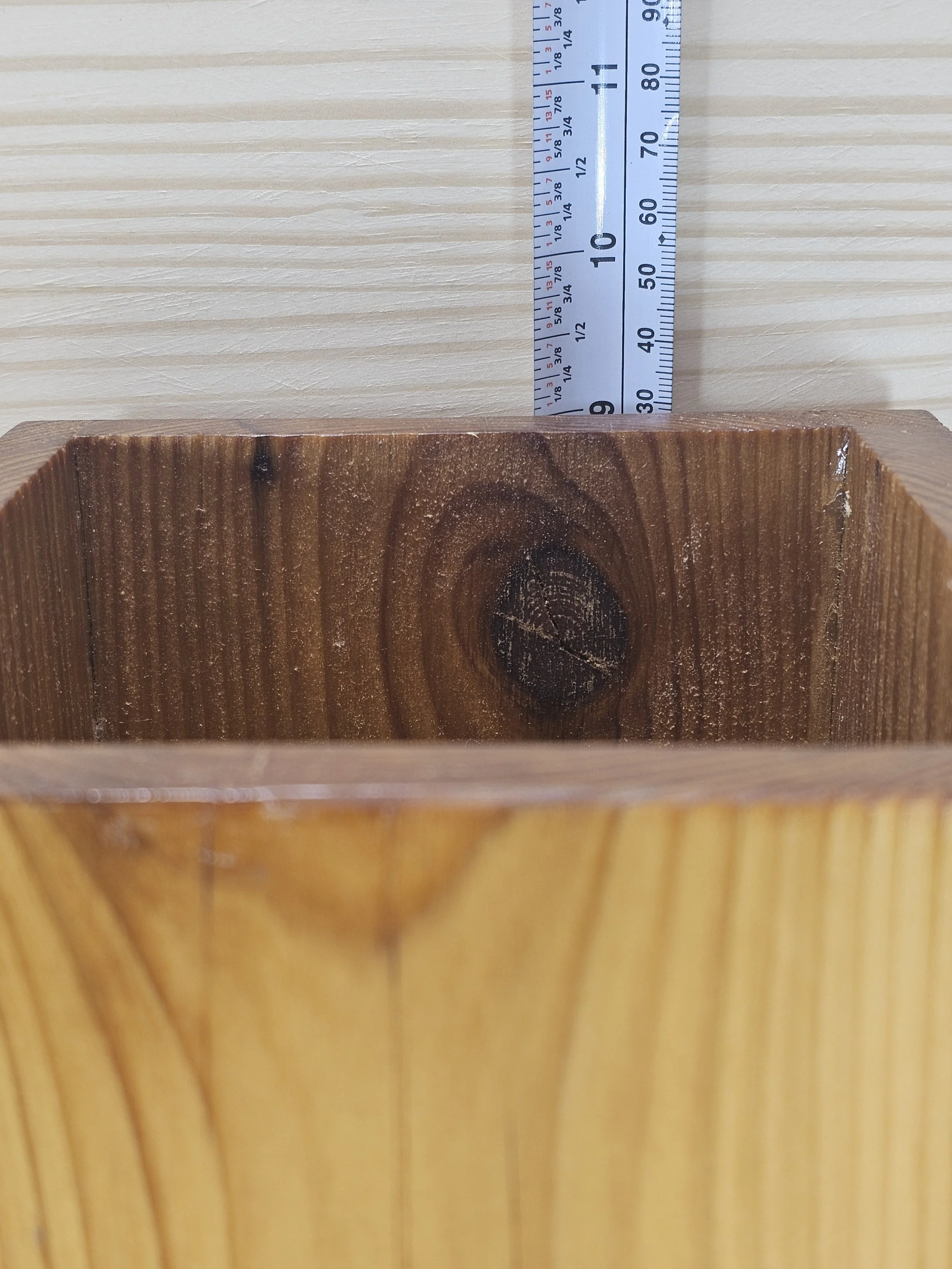
Nearly 7.5 inches tall and 5.75 inches across the tool holding area, 6.5 inches across total.
To clean, wipe with a damp cloth. Do not put it in the dishwasher or submerge it in water (that will just ruin this piece).
Bradford Pear trees are an invasive species of tree that were used heavily in our neighborhood design back in the 1970s. Because people don’t know how to properly maintain these trees they’ve become overgrown with branches that break off because they get bored (ok, that’s my interpretation —rot, physics, and water content are most likely the culprit). I don’t like to waste wood if I can avoid it. Even Bradford Pear can be useful.
In this case, I ‘ve turned a large kitchen caddy from a hefty segment of one of my neighbor’s tree. One of the reasons I like turning this species of wood is that you really can’t see exactly what’s going on with the grain until the oil goes on. The changes in the late/early wood (growth rings) is usually subtle. So seeing all the complex directions the growth rings are going around the outside is a surprise even to me when the oil layer goes on. I won’t get into the nuanced flame grain patter that happens when a bright light hits it —that usually manifests when shellac gets applied and bends the light into those patterns.
As we have multiple kitchen caddies to hold all our most used cooking tools (yeah, we cook that much), this should help keep your kitchen organized with style and a unique piece that will last for years to come (and didn’t let a pest tree go straight to landfill).
—Note: the tools in the caddy in the pictures are not included. They’re just for display purposes and for scale.
This has been finished with tung oil, shellac, and a durable clear enamel.
Nearly 7.5 inches tall and 5.75 inches across the tool holding area, 6.5 inches across total.
To clean, wipe with a damp cloth. Do not put it in the dishwasher or submerge it in water (that will just ruin this piece).
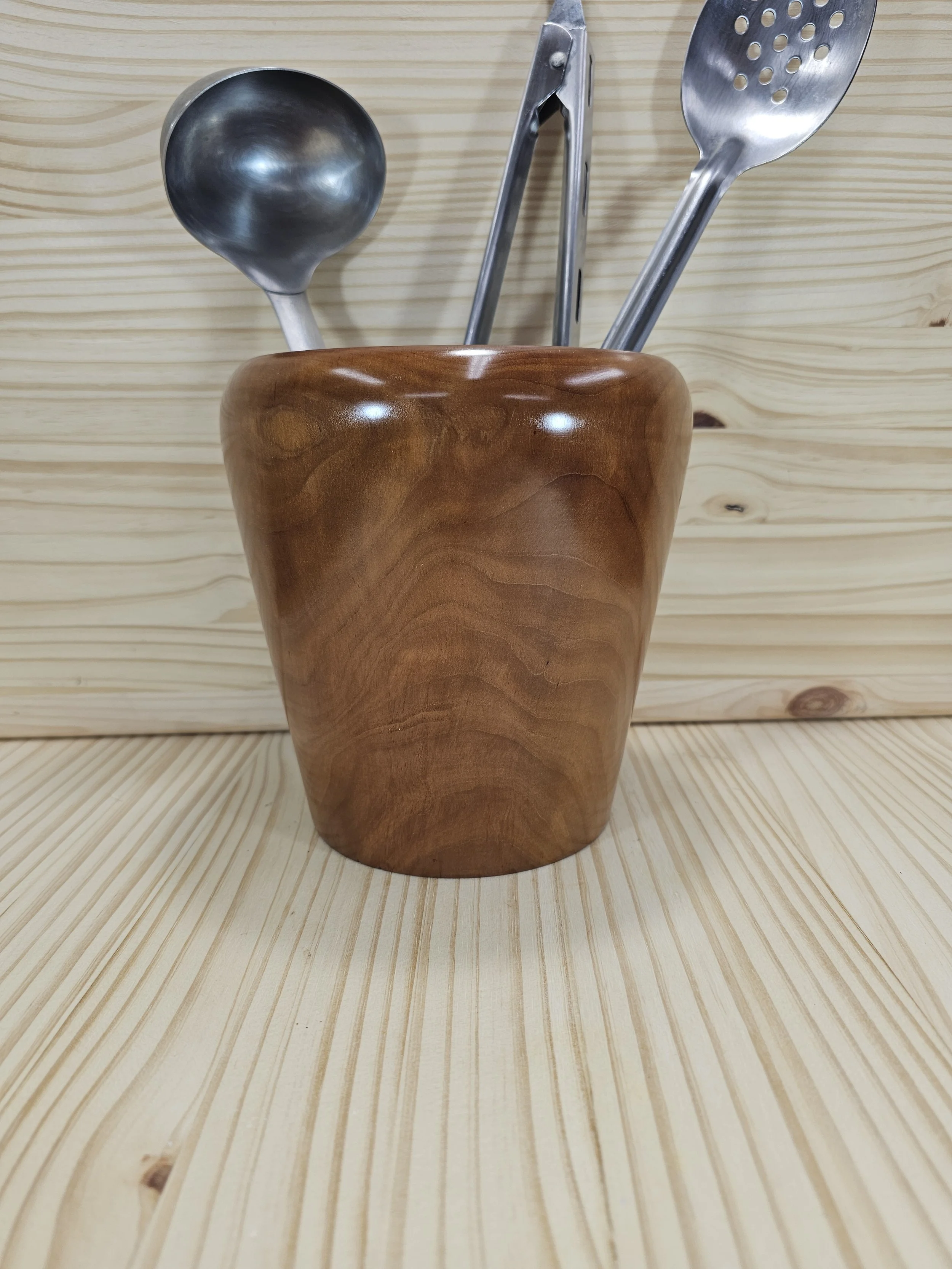 Image 1 of 9
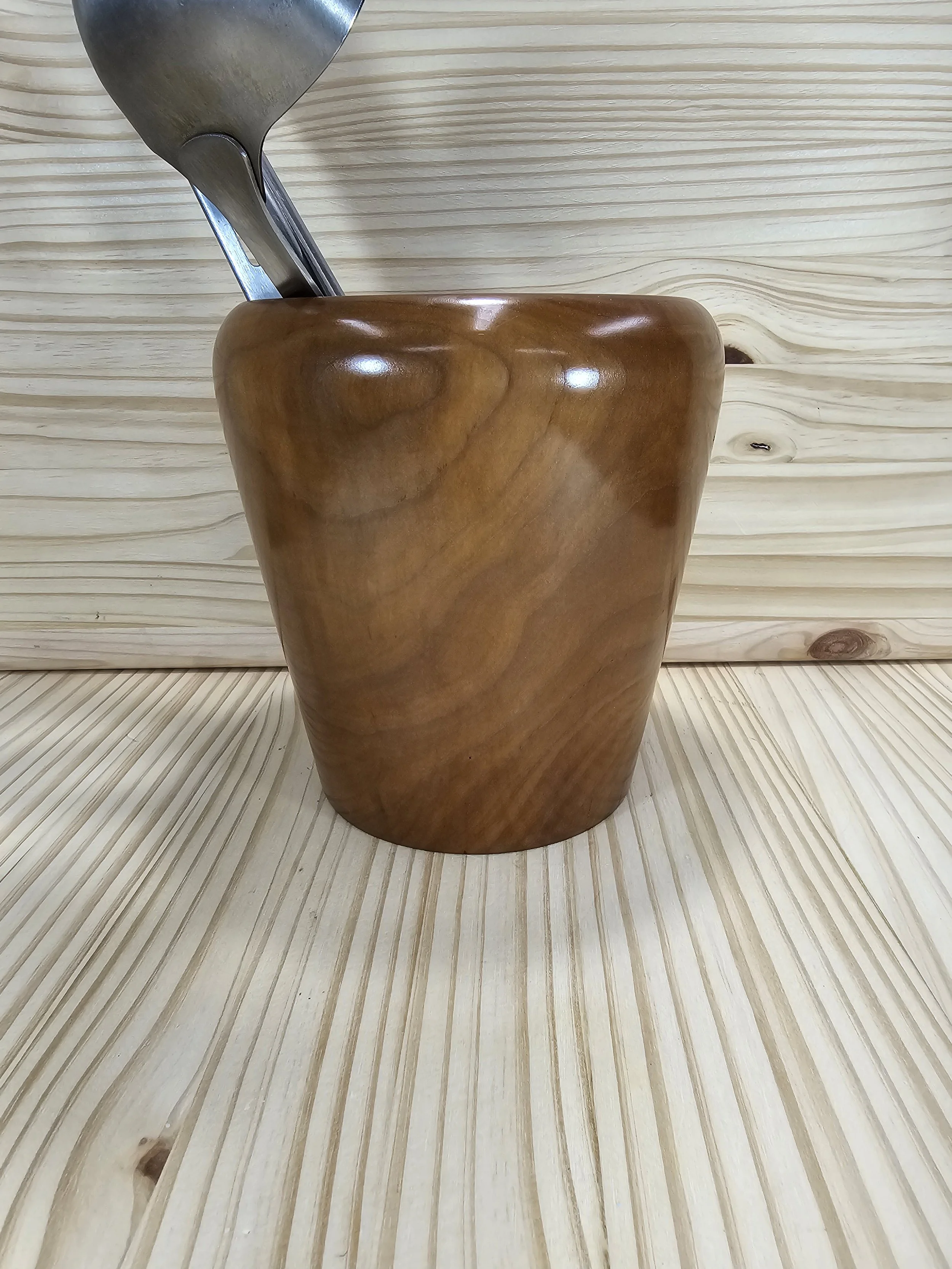 Image 2 of 9
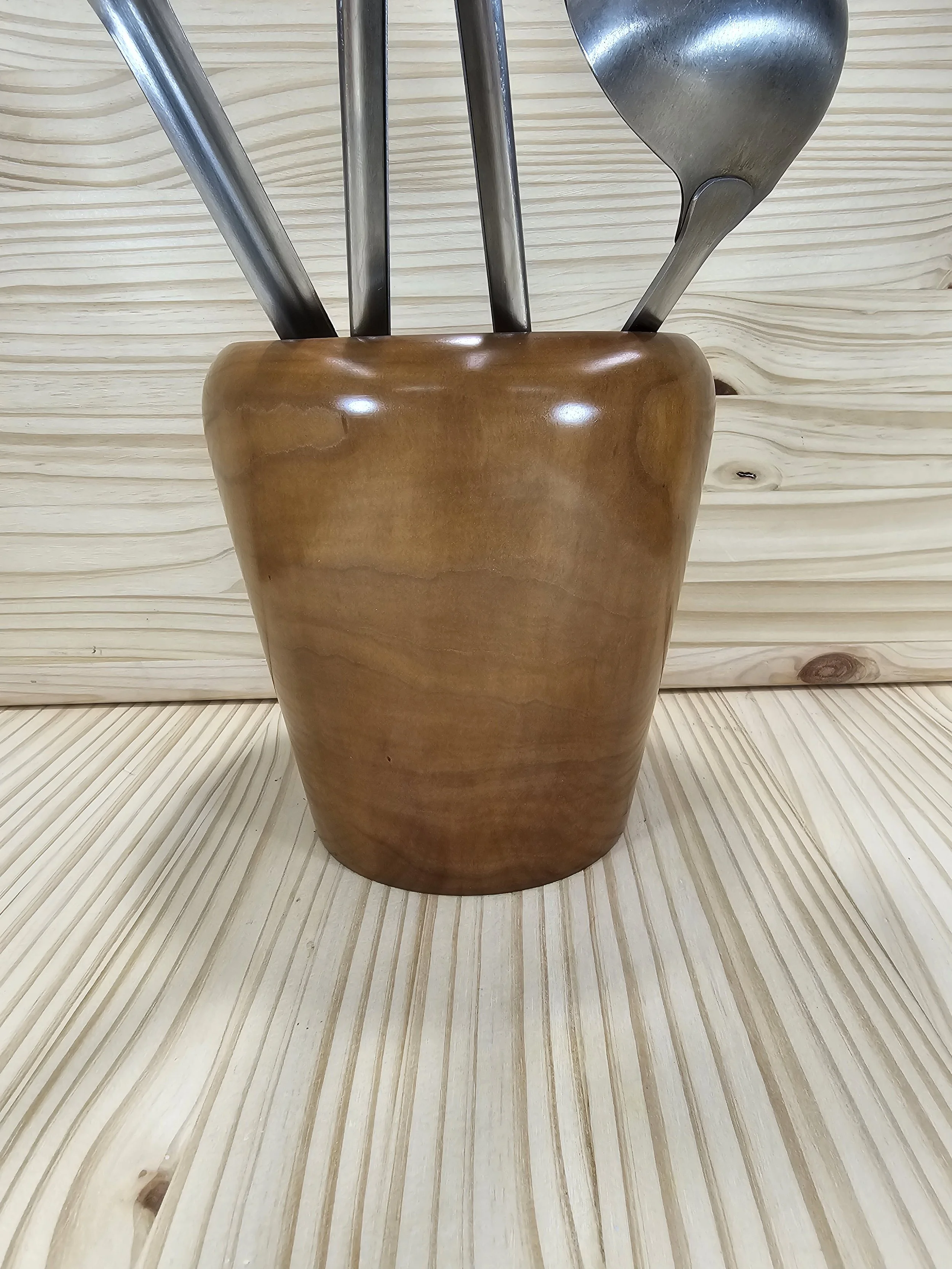 Image 3 of 9
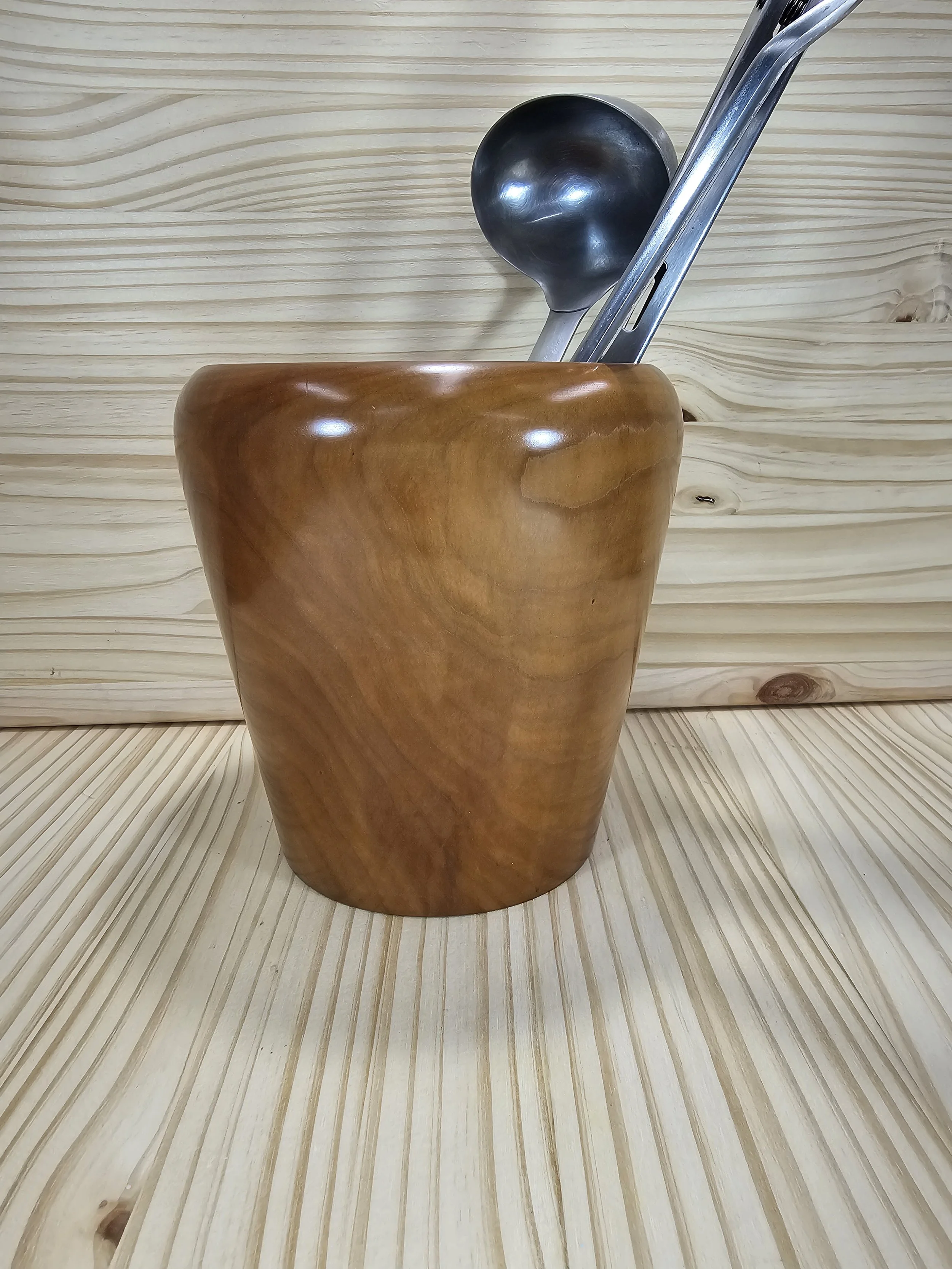 Image 4 of 9
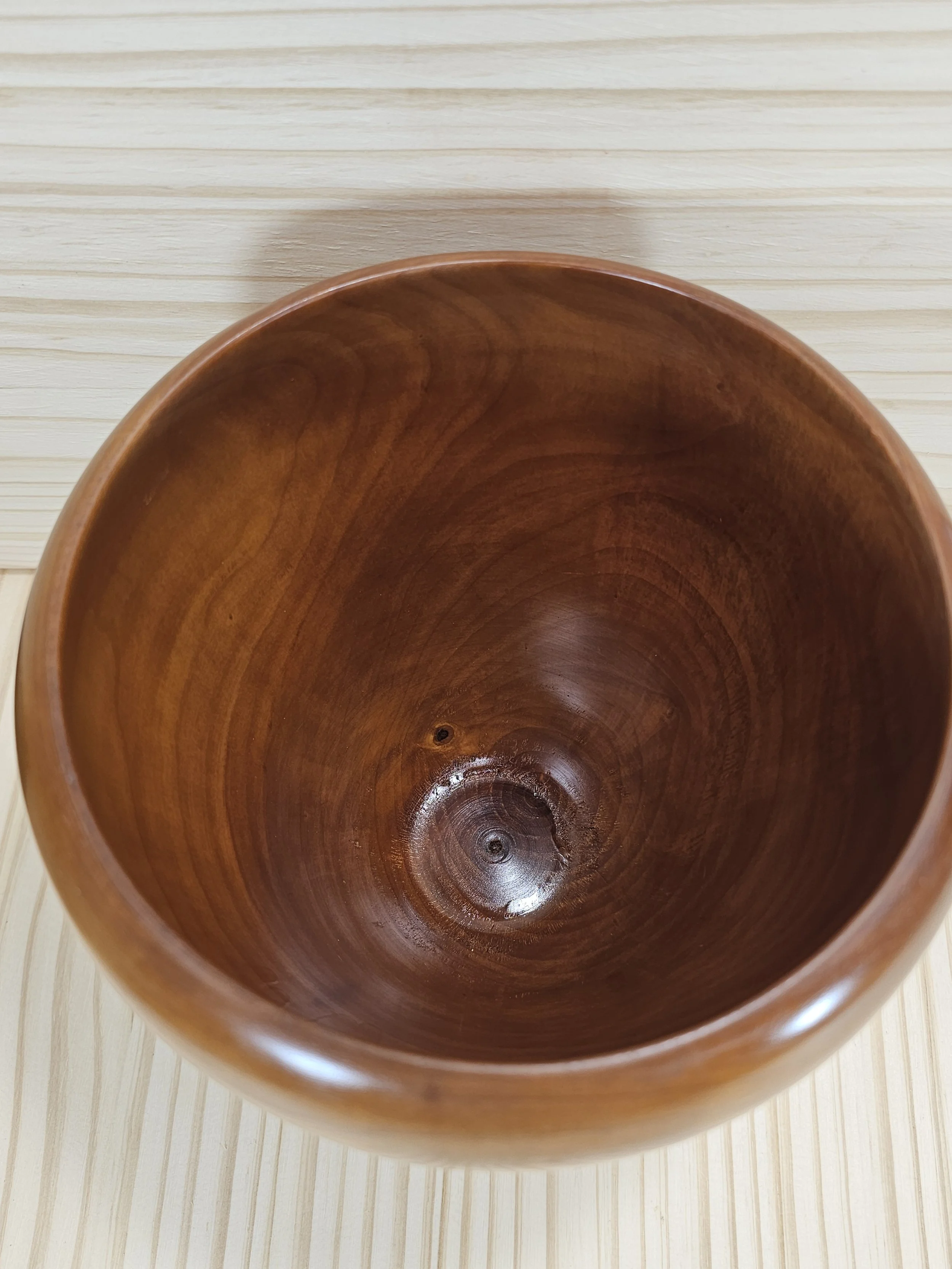 Image 5 of 9
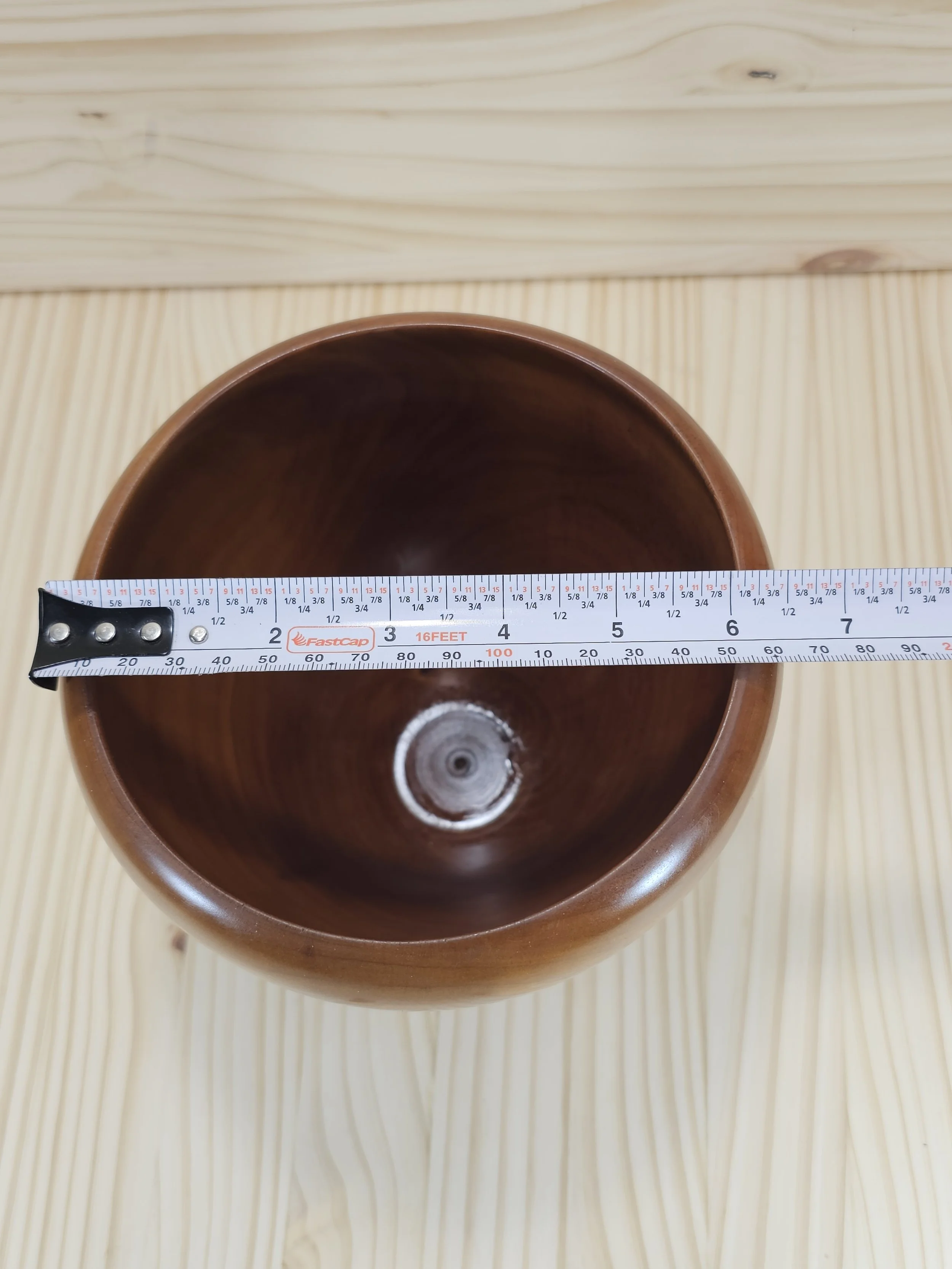 Image 6 of 9
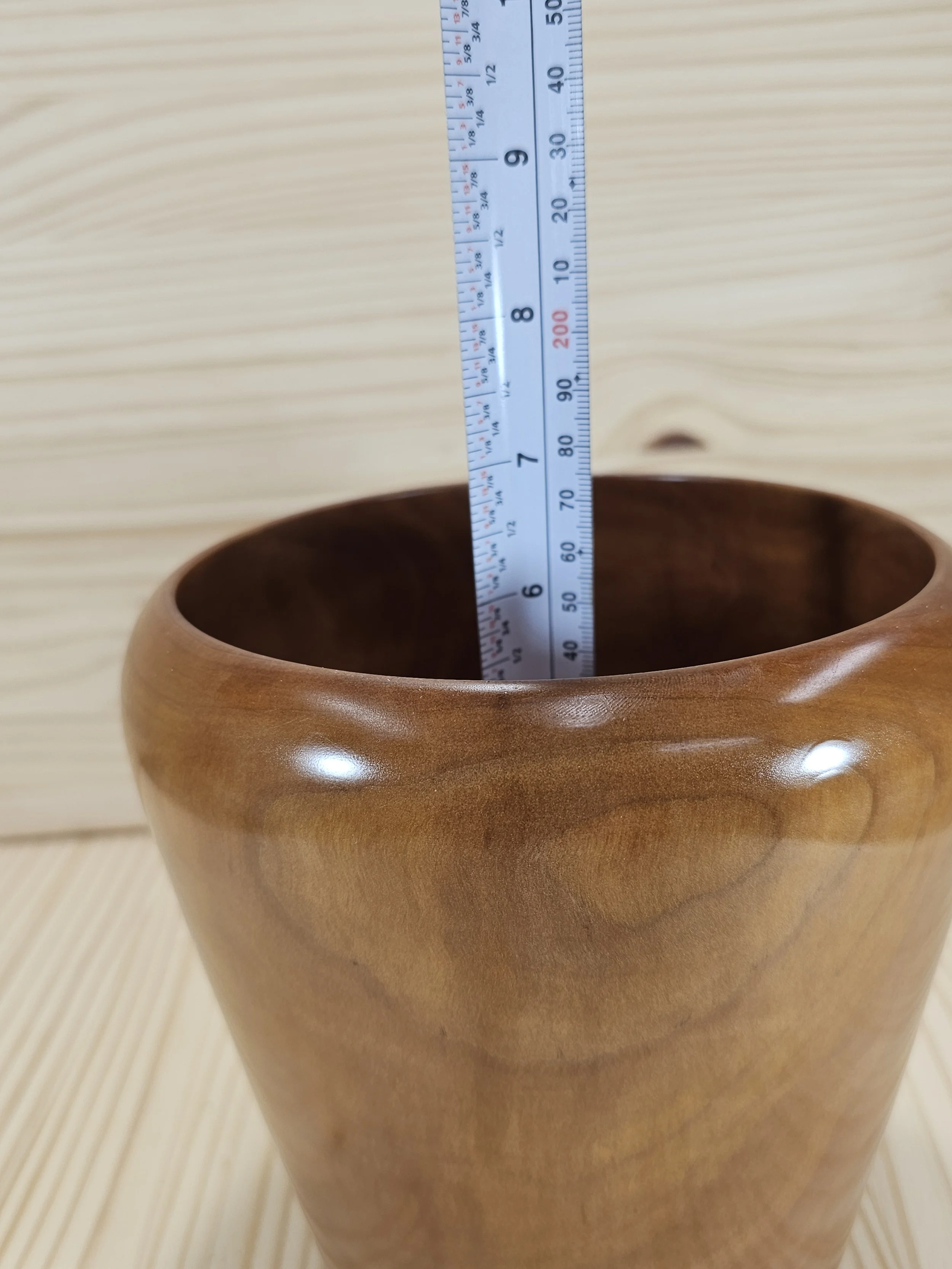 Image 7 of 9
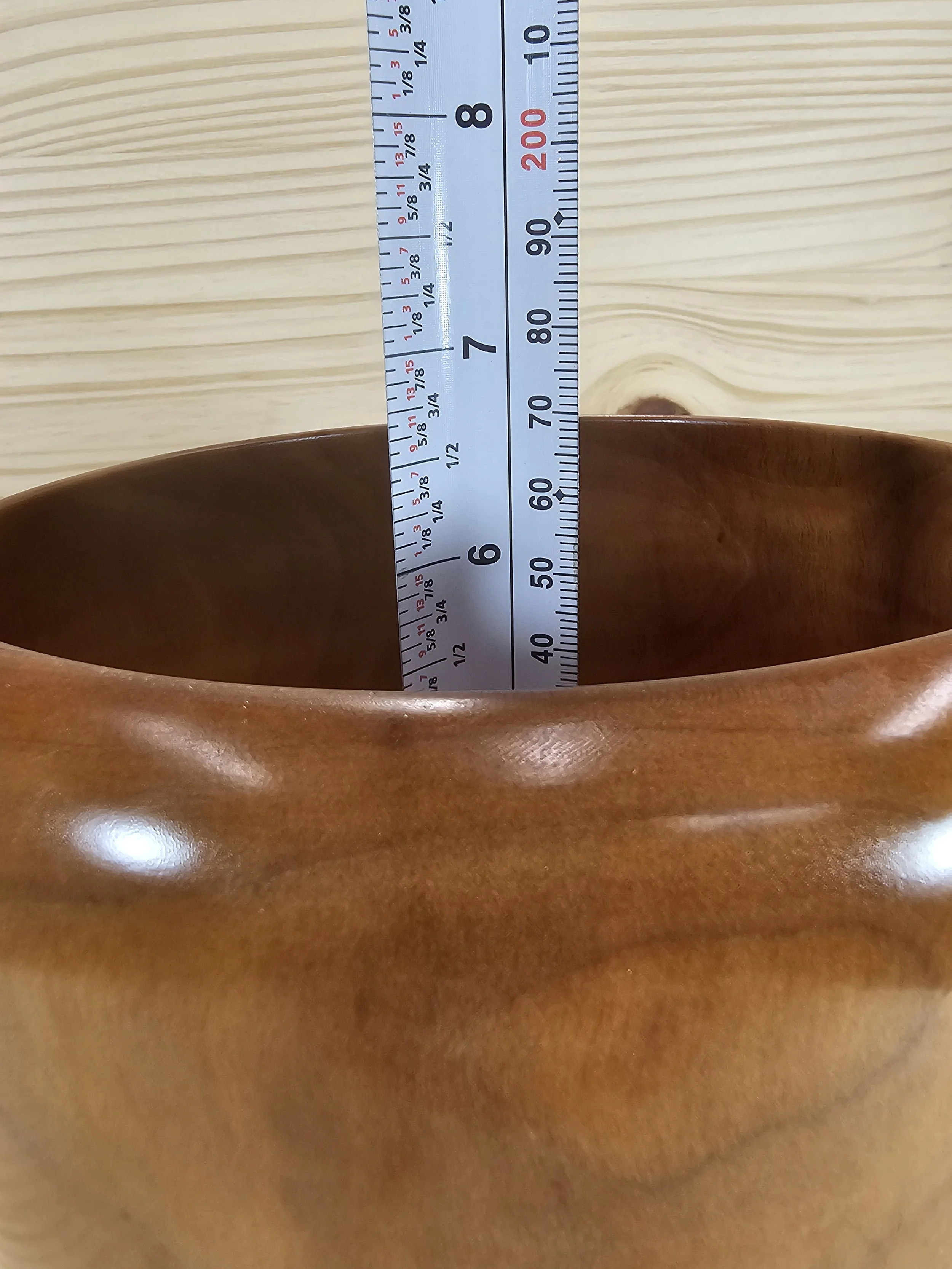 Image 8 of 9
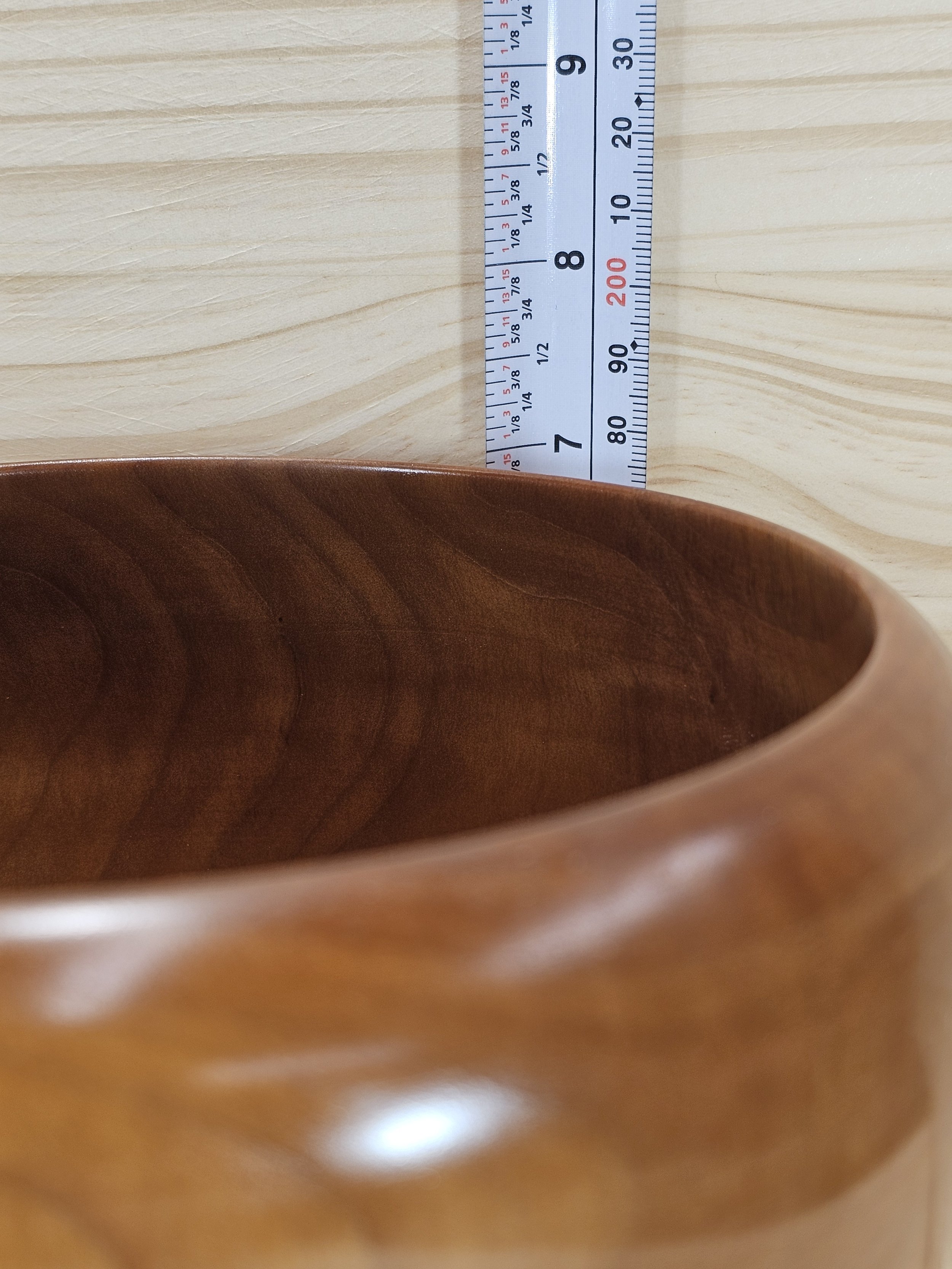 Image 9 of 9